
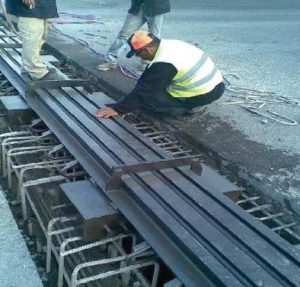
Modern infrastructure—whether bridges, highways, tunnels, or buildings—faces constant stress due to temperature variations, load changes, vibrations, and structural movement. To handle these forces effectively, expansion joints play a crucial role in maintaining the safety, durability, and longevity of the structure. These components allow controlled movement between structural elements, preventing cracks, deformation, and long-term damage.
Understanding Expansion Joints
Expansion joints are flexible connectors installed between concrete sections or structural components to absorb thermal expansion, contraction, vibration, and seismic movement. In simple terms, they act as “movement buffers,” ensuring that different parts of a structure can expand or contract independently without causing damage.
They are made from a combination of materials like rubber, neoprene, stainless steel, and composite polymers, each selected based on project requirements such as temperature range, load capacity, and environmental exposure.
Why Expansion Joints Are Essential in Modern Projects
1. Prevents Structural Damage
Without proper expansion joints, materials like concrete and steel can crack or deform under temperature fluctuations. High-quality expansion joints absorb and accommodate these movements, preventing costly repairs and ensuring structural stability over time.
2. Ensures Safety and Functionality
In bridges, highways, and airport runways, even minor displacement can lead to misalignment and unsafe conditions. Expansion joints maintain surface continuity and smooth transitions, ensuring safe and comfortable vehicle movement across sections.
3. Enhances Durability and Longevity
By minimizing stress accumulation, expansion joints extend the service life of concrete and steel structures. They also protect waterproofing membranes and support systems from premature wear caused by expansion and contraction cycles.
4. Reduces Maintenance Costs
High-performance joints require minimal upkeep compared to frequent crack repairs or resurfacing work. This reduces downtime and long-term maintenance costs—an essential factor for infrastructure projects where accessibility is limited.
5. Adapts to Environmental Conditions
Expansion joints are designed to handle a wide range of temperatures, moisture levels, and load conditions. From coastal bridges exposed to saltwater corrosion to high-altitude roads facing extreme temperature changes, quality joints ensure consistent performance in all climates.
Applications of Expansion Joints
- Bridges and Flyovers – To absorb deck expansion due to thermal variations.
- Buildings and Parking Structures – To prevent cracking and misalignment in concrete slabs.
- Roads and Highways – To maintain smooth, safe vehicle movement between concrete sections.
- Tunnels and Pipelines – To handle vibration and earth movement without leakage or damage.
- Industrial Plants – To manage equipment-induced vibrations and thermal shifts.
Choosing the Right Expansion Joint
When selecting an expansion joint system, engineers must consider:
- Movement range (thermal, seismic, or dynamic)
- Load-bearing capacity
- Environmental resistance (UV, moisture, corrosion)
- Installation method and maintenance requirements
Using joints that meet ASTM, BS, or EN standards ensures reliable performance and safety compliance for long-term infrastructure success.
Conclusion
Expansion joints may seem like small components, but they play a vital role in the structural integrity and performance of modern infrastructure. High-quality joints protect investments, enhance safety, and reduce maintenance costs—making them indispensable in every stage of design and construction. As infrastructure continues to evolve, choosing durable, tested, and certified expansion joint systems remains key to building stronger, safer, and longer-lasting structures.